

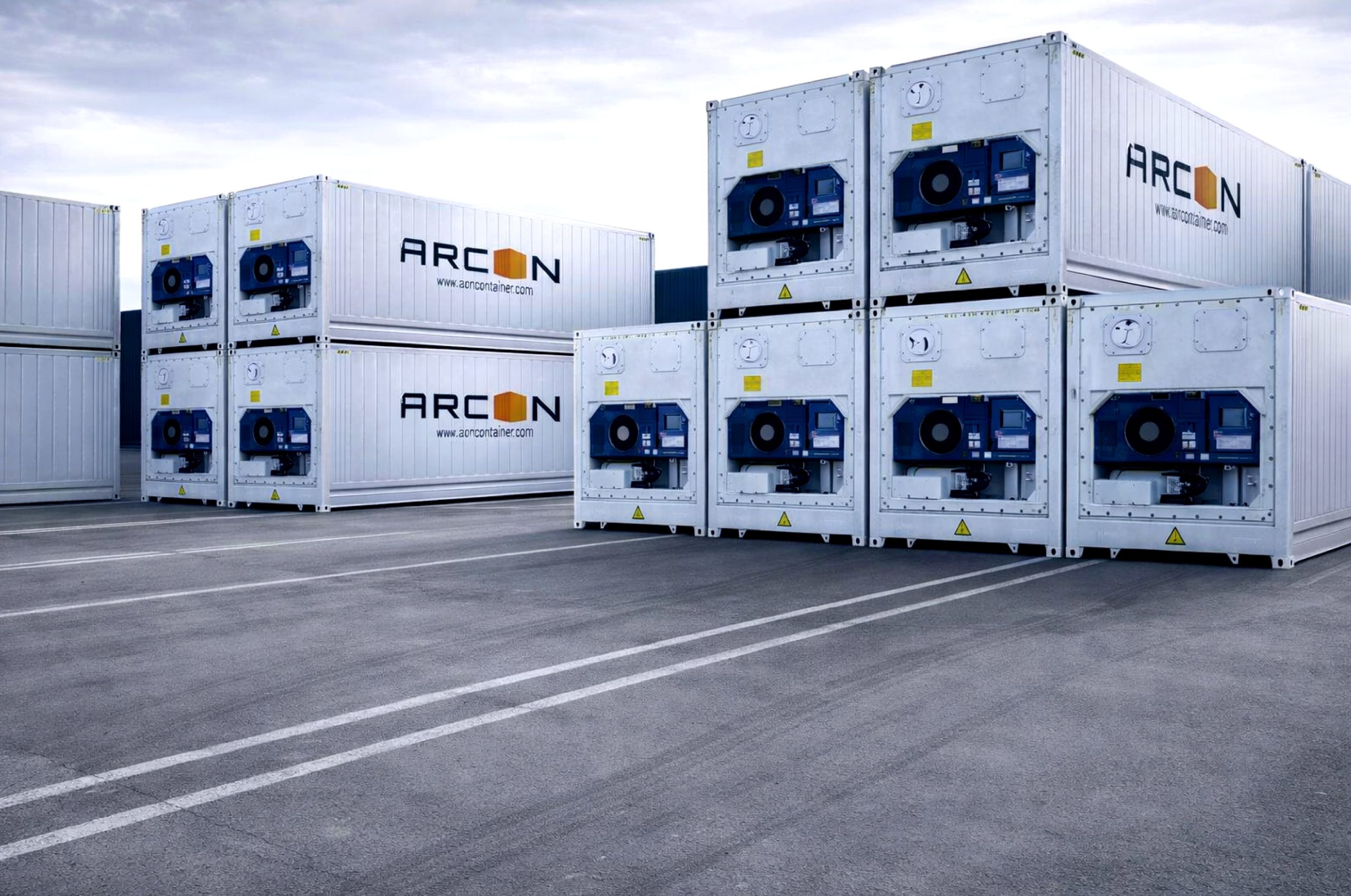
Global cold-chain networks have entered one of their most challenging phases in recent years. Demand for temperature-controlled transport continues to rise, yet the availability of equipment and stable routes is tightening. The reefer container market in 2026 is being shaped by capacity shortages, extended lead times, energy-cost volatility and the ongoing disruptions around the Red Sea corridor. As shippers rework their supply chains, the fundamentals of how refrigerated cargo is planned, loaded and monitored are becoming more important than ever.
This guide examines the state of the market in 2026, the operational implications of prolonged reroutes, and the best practices that cold-chain operators must adopt to maintain product integrity across increasingly unpredictable transit environments.
2026 reefer market update: equipment pressure, schedule delays and rising demand
The post-pandemic demand rebound accelerated cold-chain movement across pharmaceuticals, perishables, frozen foods and specialty chemicals. At the same time, many carriers reallocated vessel slots to favour dry cargo during previous demand swings, leaving fewer dedicated spaces for temperature-controlled units. The result is a supply-demand imbalance that continues into 2026.
Three major pressures are shaping the refrigerated container market:
1. Equipment shortages and longer wait times
Reefer fleets have struggled to expand fast enough to match global cold-chain growth. Manufacturers report extended delivery cycles, and ports in Asia, the Middle East and North America are experiencing longer queues for reefer plug-points. This has led to booking challenges during peak seasons and higher guarantee fees to secure equipment.
2. Volatile scheduling and slower vessel rotations
Congestion at key transhipment hubs has forced carriers to adjust weekly services. Slower rotations reduce the predictability of cargo windows and increase the likelihood of containers sitting unplugged or delayed in yards, adding risk to temperature compliance.
3. Rising energy costs and fuel surcharges
Operating a refrigerated container requires stable electrical power or genset fuel. Higher energy prices have pushed many carriers to revise surcharges, making total landed cost more variable for cold-chain products.
In combination, these trends are placing more responsibility on shippers to plan ahead, optimise loading practices and monitor cargo throughout transit.
How Red Sea reroutes are impacting reefer cargo
The ongoing instability in the Red Sea region continues to disrupt one of the world’s most critical trade lanes. Carriers have redirected vessels around the Cape of Good Hope, extending transit times between Asia, Europe and parts of the Middle East by 10 to 20 days depending on the service.
For cold-chain operators, these extended legs have several implications:
Longer reefer run-times
A voyage that previously lasted 22 days may now take 32 or more. This extended exposure increases the continuous power demand on the reefer container, raising both energy costs and the risk of technical failure.
Higher genset dependence
During reroutes, vessels may call at ports with fewer reefer plugs or require off-grid power in transit. This increases reliance on gensets and heightens the need for thorough pre-trip checks and fuel monitoring.
Greater temperature fluctuation risk
Longer transits also heighten the importance of maintaining correct reefer container temperature settings, airflow patterns, and sensor calibration. Even small deviations can cause drift in sensitive cargo like fresh fruit, vegetables, vaccines, chocolate, or certain chemicals.
Schedule unpredictability
Cold-chain shipments often work backward from strict delivery windows. Transit uncertainty requires shippers to re-evaluate their safety buffers, packaging methods and route planning.
These challenges highlight the need for precise preparation and strict adherence to best practices.
Choosing the right reefer container: power, airflow and set-point accuracy
Selecting the correct reefer container model remains one of the most important decisions for cargo safety. Not all refrigerated units perform the same under variable conditions.
1. Power supply capability
A suitable unit must maintain cooling performance at sea, in port, and during inland moves. Shippers should confirm:
- Compatibility with vessel and terminal plug systems
- Genset availability for long inland legs
- Energy efficiency rating and average consumption
- Backup power requirements for delayed connections
2. Airflow design
Different designs support different cargo types:
- Fresh airflow technologies for perishables that require continuous air exchange
- Recirculating airflow for frozen goods and stabilised pharmaceuticals
- Floor design and T-bars that ensure even distribution beneath pallets
- Vents and filters that avoid CO₂ or ethylene buildup
Poor airflow is a leading cause of hot spots and premature spoilage.
3. Temperature set-points and ranges
Every cargo has an optimal reefer container temperature requirement, often referenced in product specifications or pharma SOPs. When choosing a unit, operators should ensure:
- Tight tolerance accuracy (±0.25°C for sensitive goods)
- Fast pull-down capacity
- Humidity control capability where required
- Multi-mode temperature programmes for products that change conditions during transit
The correct set-point and consistent monitoring can prevent irreversible quality loss.
Pre-trip inspection (PTI) checklist for 2026
A well-executed PTI reduces risk across longer and more unpredictable routes. Key checks include:
Structural inspection
- Inspect the shell, doors and seals for cracks, rust or misalignment
- Confirm door gaskets are airtight
- Ensure floor T-bars are clean and unobstructed
Refrigeration system checks
- Test compressor and fans at multiple speeds
- Verify thermostat accuracy and sensor calibration
- Ensure vents open and close smoothly
- Inspect filters and drain lines
Electrical and power tests
- Check control panel display and alarms
- Confirm plug compatibility at origin and transhipment ports
- Test gensets and ensure sufficient reserve fuel
- Validate ground fault protection
Verification against booking details
- Confirm temperature set-point
- Confirm humidity or ventilation requirements
- Match container ID with shipping documentation
A PTI aligned with longer 2026 ocean legs helps ensure equipment readiness before the container is packed.
Cost control and sustainability considerations

Cold-chain transport is energy-intensive, and 2026 market conditions are heightening cost sensitivity. Effective management strategies include:
1. Load optimisation
Improving unit fill rates reduces the number of containers required and lowers per-unit energy consumption.
2. Packaging selection
Proper packaging, insulation and palletisation reduce the cooling burden and maintain stability during fluctuations.
3. Route planning
Given ongoing Red Sea disruptions, alternative routings using mixed modes (ocean + rail) may shorten journey times and reduce energy use.
4. Energy-efficient equipment
Modern reefers with advanced compressors, variable-speed fans and better insulation can reduce consumption by 10–20%.
5. Maintenance discipline
Well-maintained equipment not only reduces failure risk but also runs more efficiently across long durations.
6. Asset lifecycle planning
Companies evaluating capital investments should consider whether to purchase, lease or source a reefer container for sale based on utilisation, maintenance capability and route predictability.Sustainability goals are increasingly shaping procurement decisions, making energy efficiency a core element of cold chain logistics.
Conclusion
The cold-chain landscape in 2026 is being transformed by equipment shortages, longer transit routes and ongoing disruptions around the Red Sea. These pressures demand more disciplined planning, rigorous PTIs and careful unit selection to maintain product integrity throughout extended journeys.
Choosing the right refrigerated shipping container, setting accurate temperature parameters, and understanding the airflow and power needs of each commodity are fundamental steps toward risk-free transport. As cold-chain networks become more complex, the reefer container remains essential — but only when managed with precision, foresight and best-practice execution.
With stronger planning and operational discipline, shippers can navigate 2026’s challenges confidently, ensuring product quality despite longer routes and tighter equipment availability.
Note – Based on current market signals, carrier behaviour and ongoing geopolitical disruptions and may change in future.